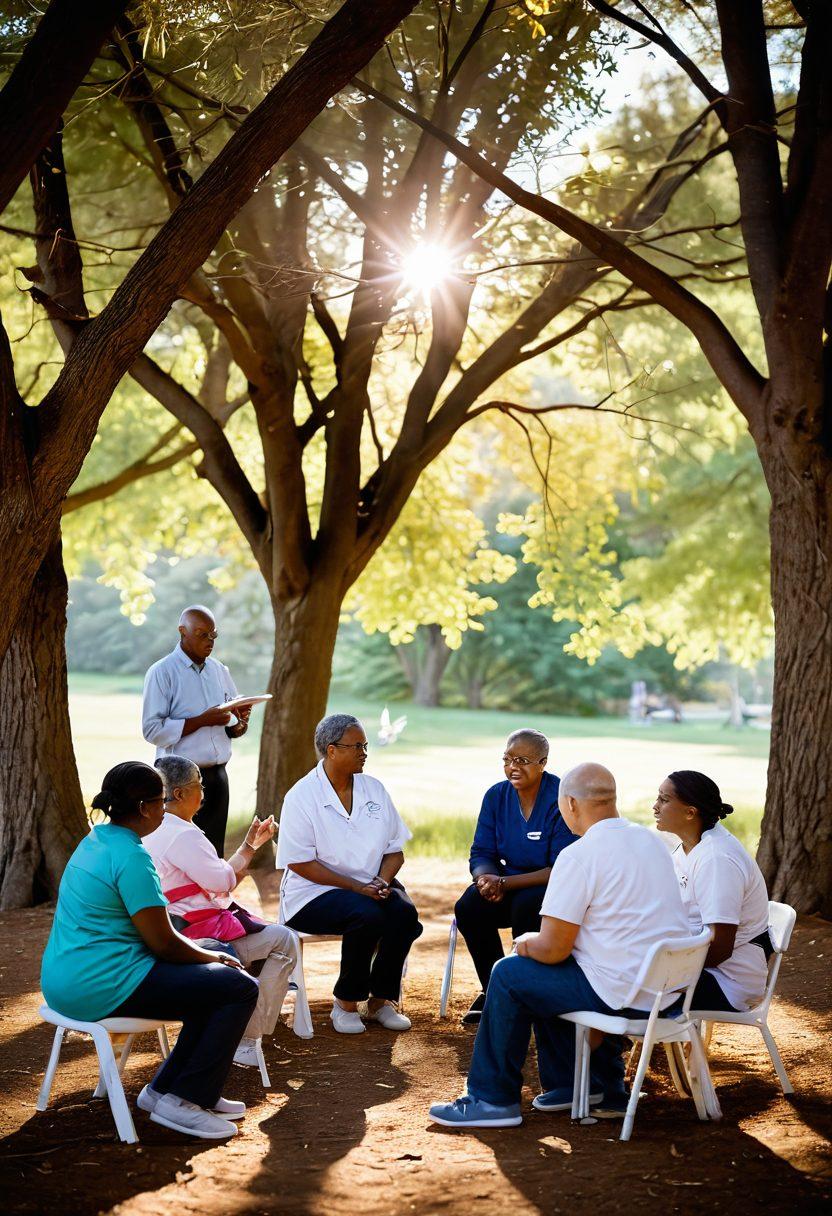
Empowering Journeys: Navigating Cancer Care and Wellness Through Awareness and Support
Knowledge is power, right? In the fight against cancer, that adage rings truer than ever. Empowering ourselves with information about oncology can bridge the gap between mere existence and enhanced quality of life. Imagine being able to navigate the complex landscape of cancer care with confidence and clarity, armed with insights from cutting-edge medical research and holistic health principles. The path to wellness is not just about undergoing treatment; it also involves understanding the processes, the options, and the resources available to patients and their families. So, how can we unlock this power of knowledge and use it to fuel effective cancer care?
Every year, countless individuals are faced with a cancer diagnosis, igniting a whirlwind of emotions and uncertainties. Amidst the chaos, it’s crucial to focus on cancer education—a pillar that supports patients and equips them with the tools needed for informed decision-making. Engaging with health blogs and support groups offers a wealth of information that brings together survivor stories, wellness tips, and insights about the latest advancements in cancer treatment. As we glean from others' experiences, we cultivate a sense of community support that can be vital during such a tumultuous journey. How often do we forget the strength that can come from shared experiences?
Cancer awareness goes beyond understanding the disease; it is about advocacy and empowerment. When patients are armed with knowledge, it can lead to improved health outcomes and increased patient support. Social platforms and awareness campaigns bridge the gap between personal experiences and broader discussions on disease prevention and survivorship resources. It’s fascinating how a single workshop or an awareness event can spark a movement, fostering spirited dialogues about cancer research and treatments. Think about it: What difference could a unified community make in our collective battle against cancer?
But knowledge isn't just for those diagnosed. Awareness extends to everyone. Engaging in health awareness initiatives can inspire friends, family, and colleagues to better understand cancer and its far-reaching implications. Imagine a network of support that includes the workplace, local communities, and even online forums where individuals can share resources and information for cancer prevention and wellness. The more we talk about it, the more we break the stigma surrounding cancer care. Have we embraced these conversations in our lives? What if each of us could contribute to a culture of awareness and support?
In conclusion, unlocking the power of knowledge in cancer care is a multifaceted endeavor that thrives on community involvement and patient empowerment. We must embrace the idea of lifelong learning within health resources—attending seminars, reading health blogs, or simply starting conversations. Furthermore, we should prioritize holistic health approaches, which integrate mind, body, and spirit into cancer care, acknowledging that every individual’s journey is unique. So let's embark on this empowering journey together; after all, knowledge shared is knowledge multiplied. What steps will you take today to amplify your understanding and become a beacon of support for others?
Building a Supportive Community: The Role of Advocacy in Cancer Treatment and Survivorship
Building a supportive community is not just a noble idea; it's a necessity for those navigating the tumultuous waters of cancer treatment and survivorship. Every year, millions of individuals hear the words, 'You have cancer,' a moment that catapults them into a world filled with uncertainty, fear, and a desperate need for understanding. Yet, in this journey filled with challenges, inclusivity and support can be transformative. In the realm of oncology, the role of advocacy is paramount, fostering environments where people feel cared for and empowered. As we delve into the vital connections between cancer advocacy, treatment, and survivorship resources, let’s explore how building a support system can turn solitude into solidarity.
What would you do if faced with a cancer diagnosis? The question touches the heart of human resilience and community spirit. Advocacy in cancer care is more than just voicing concerns; it's about creating a safe haven where conversations take place, where experiences are shared, and where individuals can voice their fears and victories. Support groups offer a lifeline, connecting patients and survivors with others who understand their journey on a level that medical professionals cannot always provide. Through these connections, participants discover they are not alone, and the robust community can fuel their fight against cancer.
At the heart of effective cancer advocacy lies education – knowledge is power, after all! With health blogs and cancer awareness campaigns gaining traction, individuals are becoming increasingly informed about the latest advancements in cancer treatment and medical research. This wealth of information fosters patient empowerment, enabling individuals to engage actively in their treatment decisions. Patients who understand their options can advocate for themselves, demanding personalized care that aligns with their unique needs. When we empower patients through cancer education, we complete the circle of support, ensuring that they have the tools necessary to navigate their journeys confidently.
Survivorship resources are vital in this equation as they provide essential information and guidance long after treatment ends. People often underestimate the impact of what comes after the diagnosis. Emotional wellness, coping strategies, disease prevention, and holistic health approaches are crucial as survivors continue their journey. It’s during these pivotal moments that community support shines brightest. Engaging with peer networks or support groups can offer a space for individuals to not only contribute to others’ healing but also experience renewal in their personal journeys. After all, sharing experiences can turn painful memories into powerful narratives of hope.
In closing, the power of community in cancer care is irrefutable. We must rally together, championing cancer advocacy that leads to enhanced patient support and holistic health for all affected individuals. Discussions around cancer awareness, disease prevention, and wellness are important—not only for those currently battling the disease but also for future generations. This is our call to action: let’s build a supportive, informed, and engaged community that thrives on empathy, understanding, and collective strength. Together, we can transform fear into hope, and isolation into camaraderie, creating a brighter path for all on this challenging journey.
Navigating Wellness: Integrating Holistic Health Practices in Your Cancer Journey
When faced with a cancer diagnosis, an overwhelming tide of emotions often engulfs you. It's a moment of uncertainty that can leave you feeling lost, and all of a sudden, the journey towards wellness feels daunting. But what if I told you that integrating holistic health practices could empower you on this path? Imagine a life where you don't just fight cancer, but you also embrace your body, prioritize your well-being, and enrich your overall health. By navigating wellness through holistic methods, you can significantly influence your journey in oncology, enhancing your cancer care through mindfulness, nutrition, and community support.
Have you heard the saying, 'Wellness is not merely the absence of illness'? It’s a powerful reminder that health goes beyond treatments and medications; it's about nurturing the body, mind, and spirit. Integrating holistic health into your cancer journey doesn't mean abandoning traditional cancer treatment. Instead, it complements your ongoing plan while offering a platform for self-care and emotional healing. Think about the last time you truly felt at peace – what circumstances contributed to that feeling? Through practices like yoga, meditation, and balanced nutrition, you can cultivate a sanctuary within yourself that supports your healing process.
The beauty of holistic health lies in its accessibility and versatility. Have you considered how each small change can lead up to significant improvements in your cancer care? For example, engaging in support groups can create a network of patient support that alleviates feelings of isolation. Speaking with fellow survivors may provide you with unique insights or wellness tips that traditional medical research hasn’t talked about. The shared experiences in these circles can also ignite a spark of hope—a fundamental aspect of survivorship resources that can empower every patient. So, where will you find your voice in community support?
Nutrition is another cornerstone of the holistic approach to cancer care. You’ve probably heard about the importance of healthy eating, but do you know how to implement those changes effectively? Focus on anti-inflammatory foods, rich in nutrients that support disease prevention. Think about things like leafy greens, berries, nuts, and fatty fish. You are what you eat, after all! Additionally, understanding which foods nourish your body can be an empowering tool in your cancer treatment. There’s strength in knowledge, and being informed about what goes into your body can boost your confidence and enhance your wellness.
Ultimately, the journey through cancer demands resilience. Yet, by embracing holistic health, you position yourself to not just survive but to thrive. So ask yourself: What holistic practices resonate with you? Is it participating in a mindfulness workshop, or perhaps it’s exploring new recipes that aid in cancer prevention? Each stroke of activism in your health blog can signify a step toward patient empowerment. Remember that your voice matters in the community of cancer advocates, and by sharing your journey, you contribute to a larger dialogue about cancer awareness. Together, we can shift the conversation and inspire others to navigate their own paths to wellness.